How Bar NYC Venues Create Memorable Nights
@ellioturne639
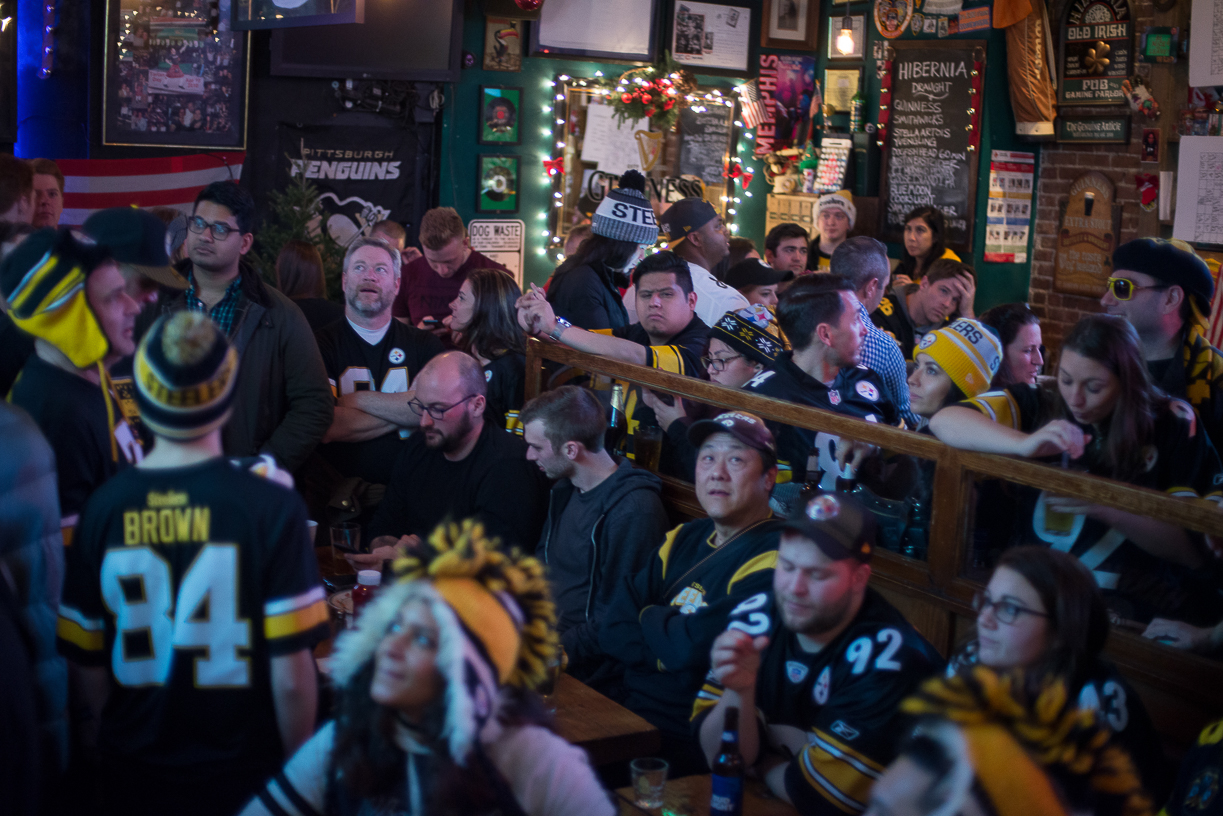
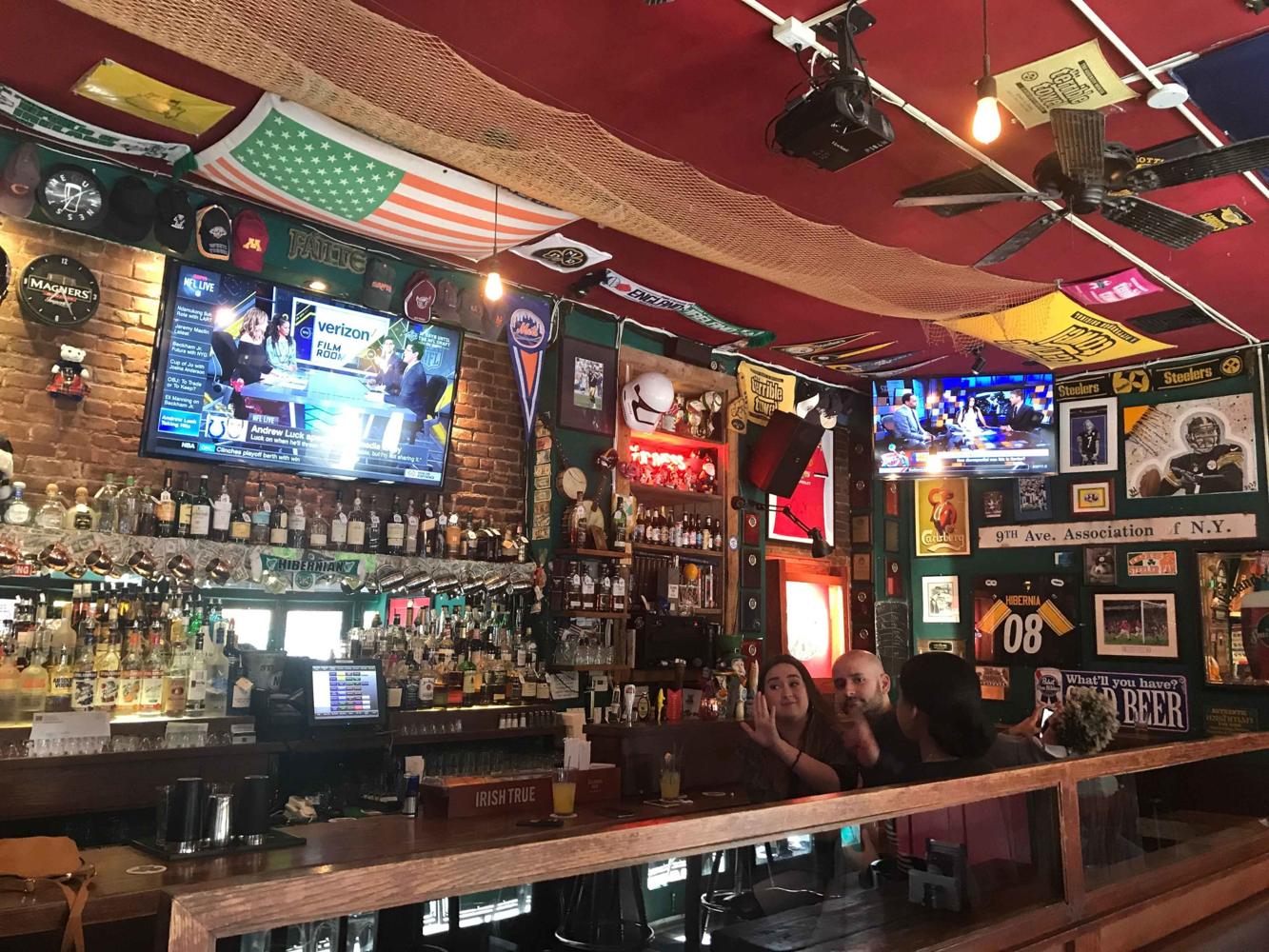
A memorable night in New York rarely happens by accident. People often describe it that way, as if the city simply delivers magic on demand, but anyone who has spent serious time in hospitality knows better. The best bar experiences are built with intent. They come from a hundred small decisions that guests may never consciously notice, from the way the host makes eye contact at the door to the pace of the music at 11:15 p.m., from the glassware temperature to the distance between bar stools.
That is especially true in the world of Bar NYC venues, where competition is relentless and attention spans are short. A guest can step out of one place and into five others within a few blocks. The bars that stand out are not always the flashiest or most expensive. More often, they are the ones that understand how memory works. People remember how a place made them feel, how smoothly the night unfolded, whether the room had energy without chaos, whether the drinks felt considered rather than assembled.
In New York, a memorable night is usually less about one grand gesture and more about layered competence. Hospitality professionals know this well. When a venue gets the fundamentals right and then adds personality on top, guests stay longer, spend more, and tell their friends. That pattern has been true in neighborhood pubs, hotel lounges, rooftop bars, cocktail dens, and hybrid restaurant-bars across the city.
The first impression starts before the first drink
Long before the first cocktail lands on a coaster, the venue has already started shaping the night. The sidewalk presence matters. So does signage, lighting visible from the street, and the way the entrance handles uncertainty. In a city where plans change by the hour, many guests decide whether to walk in based on a three-second read of the room.
A good exterior sends a clear signal. It tells guests whether they are entering a high-energy social spot, a quiet date-night room, a whiskey-focused bar, or a celebratory group venue. Confusion can hurt a bar more than exclusivity. If the room looks casual but the pricing and service style are formal, guests feel slightly off-balance before they even sit down. That friction is small, but it accumulates.
Door staff play a larger role than many operators admit. At busy New York venues, the welcome can determine whether the night begins with anticipation or annoyance. A polished host knows how to manage a waitlist without making people feel parked. Even a ten-minute delay can feel acceptable if the communication is clear, the estimate is honest, and the guest senses that the team is in control. An uncertain, distracted greeting creates doubt immediately.
I have seen bars lose guests at the threshold simply because no one acknowledged them within the first minute. In a dense market like Manhattan or parts of Brooklyn, that minute is expensive. People leave fast. On the other hand, a warm and efficient greeting can recover a lot. If a server or host says, “We’re tight on tables for the next twenty minutes, but I can get you two seats at the bar now,” that feels like guidance rather than rejection. That difference matters.
Space design shapes behavior more than decor alone
Many discussions about bar design focus too heavily on looks. Visual identity matters, of course, but memorable nights depend more on how the room behaves than how it photographs. Beautiful rooms fail all the time because they ignore movement, sound, and comfort.
A strong Bar NYC venue understands circulation. Guests should be able to enter, order, gather, and move to restrooms or exits without constant collision. The room should feel alive, not jammed. In practical terms, that means enough clearance around major traffic points, a bar rail that can handle ordering surges, and seating layouts that create both visibility and privacy.
There is also a subtle art to sight lines. Guests generally want to feel connected to the energy of the room while maintaining enough separation to hold a conversation. Banquettes, partial partitions, and varied seating heights can achieve that balance. One of the most common design mistakes is forcing every guest into the same experience. A great venue offers choice. Some people want to sit close to the action. Others want the corner table where they can hear each other.
Lighting deserves special attention because it changes guest psychology in real time. Harsh overhead light can flatten mood and shorten stays. Very dim light can work, but only if menus remain legible and staff can read tables without awkward fumbling. The best bars often transition light subtly through the evening. Early service may feel brighter and more open. As the night deepens, the room softens. Guests rarely articulate this, yet they respond to it.
Sound is equally decisive. A room can look perfect and still fail if the acoustics are punishing. Hard surfaces, low ceilings, and unbalanced speakers create the kind of noise that makes people leave after one round. Smart operators invest in acoustic treatment even when it is invisible. They also treat music as programming, not background filler. The playlist at 6 p.m. Should not be the same as the playlist at midnight, and the volume should not rise just because the room gets busy. That mistake pushes conversation into shouting, which makes a night feel shorter and more tiring.
Staff set the emotional temperature
Guests talk about cocktails, interiors, and DJs, but what they carry away most vividly is often the service. Not in a generic sense, but in the emotional texture of it. Did the bartender read the room well? Did the server notice hesitation and step in with a useful suggestion? Did the team seem coordinated, or were they visibly stressed and reactive?
The best bar staff in New York combine speed with judgment. They know when to move briskly and when to pause. They understand that a first date needs a different rhythm from a reunion of six friends, and both differ from a solo regular reading a paperback with a Negroni. Memorable service feels attentive without hovering. That balance is hard to teach and harder to sustain on a slammed Friday night.
Training makes the difference. Not just technical training on POS systems and specs, but situational training. Good teams rehearse what to do when a guest wants a quiet seat but the room is full, when a birthday group arrives thirty minutes late, when someone orders a spirit the bar does not carry, or when one person at the table clearly wants guidance but does not want to feel inexperienced.
The most effective bartenders use concise language and genuine curiosity. Instead of showing off, they translate. If a guest says they like tequila but want something “not too sweet,” an experienced bartender narrows the field quickly and confidently. That moment creates trust. The guest feels looked after rather than sold to.
There is also a practical side to hospitality memory. Fast water service, clean restrooms, prompt clearing of empty glasses, and checks that arrive when wanted rather than after a long search, these details may sound mundane, but they determine whether the night feels smooth. People usually forgive an average drink more readily than disorganized service.
Drinks matter, but context matters more
It may sound odd to say this in a bar article, but exceptional drinks alone do not guarantee a memorable night. They help, obviously. A balanced martini, a well-made highball, or a house cocktail with a distinct point of view can elevate the entire experience. Still, drinks only become memorable when they fit the context of the room and the moment.
New York bars that earn loyal followings tend to know who they are. Their beverage program reflects a clear identity. A downtown cocktail bar might lean into seasonal ingredients and precise technique. A neighborhood spot may focus on consistency, value, and a small number of drinks it executes perfectly every time. A hotel bar may prioritize broad appeal and polished classics because its audience changes nightly.
What hurts a venue is a disconnect between concept and execution. If the menu reads like a laboratory notebook but the staff cannot explain the drinks simply, guests feel distance rather than excitement. If the room sells itself as relaxed and social but every cocktail takes twelve minutes to produce, momentum suffers. A memorable night depends on pacing as much as quality.
This is where menu design becomes strategic. Guests should be able to understand the offering quickly. Clever drink names have their place, but they should not obscure flavor, spirit base, or style. A good menu gives enough information to support a confident choice. It also helps bars serve guests with different levels of knowledge without making anyone feel left out.
The strongest beverage programs usually do a few things well:
- They include recognizable anchors such as classics or familiar flavor profiles.
- They offer one or two signature drinks that express the venue’s identity clearly.
- They account for pacing, with options for a quick first round and slower sipping later.
- They price with intention, protecting margins without making experimentation feel risky.
- They give nonalcoholic drinks real attention rather than treating them as an afterthought.
That last point has become increasingly important. Guests now expect serious spirit-free options, and not just because one person in a group is abstaining. Some people start with a nonalcoholic drink, shift to wine, and finish with sparkling water. Others alternate all night. Bars that respect those patterns create more inclusive, more comfortable evenings. They also keep groups together longer, which is good for business and atmosphere.
Timing is one of the least visible skills in hospitality
A night becomes memorable when it unfolds at the right speed. That sounds simple, but timing in a bar is a highly managed craft. Operators make dozens of decisions that affect tempo. Reservation spacing, table turn assumptions, staffing levels, kitchen coordination where food is involved, bar prep, security presence, music progression, and final call communication all shape the guest experience.
One common failure point is the handoff between early and peak hours. At 7 p.m., a venue may cater to after-work guests who want food, conversation, and maybe two rounds. By 10 p.m., the crowd can become louder, more social, and more drink-driven. If the bar does not manage that transition well, the room feels awkward. Diners feel rushed by the noise, while late arrivals feel constrained by a room still set for dinner.
Skilled venues plan for those shifts. They may adjust lighting, clear standing zones, alter the music profile, or move staff roles around. Some bartenders are better during the first rush, when order accuracy matters most. Others excel later, when the room needs charisma and fast guest reading. The operators who understand these distinctions usually build stronger nights.
Wait times are another area where timing either builds anticipation or destroys it. A twenty-minute wait can feel perfectly reasonable in Manhattan on a Saturday, but only if guests believe the system is fair. Text updates, accurate estimates, and nearby standing options help. Inflated promises do not. Telling guests “just five minutes” three times in a row is one of the quickest ways to sour the mood.
Last call deserves more care than it often receives. Guests remember the ending disproportionately. A rushed, vaguely announced close can undo hours of good service. The best venues make the final phase graceful. Staff give clear notice, offer a water round, settle tabs efficiently, and avoid the abrupt emotional drop that makes guests feel pushed out.
Food, even in small amounts, can anchor the evening
Not every bar needs a full kitchen, but many memorable nights are strengthened by thoughtful food. In New York, where people often move through the city without a formal dinner plan, food can extend a stay and improve group satisfaction. It does not need to be elaborate. It needs to be appropriate.
A concise menu often performs better than an ambitious one. Olives, warm nuts, fries done properly, a strong burger, a few shared plates, perhaps one excellent dessert, these can do more for a bar than pages of uneven offerings. Guests appreciate food that arrives quickly and pairs naturally with drinking. Heavy, slow, or overly precious bar food tends to work against the flow of the night.
There is also a commercial reality here. Guests who eat something usually stay longer and drink more steadily. They are less likely to burn out after the first round. That matters for atmosphere as much as revenue. A room where guests are pacing themselves often feels more relaxed, more social, and less chaotic by midnight.
Regulars and first-timers need different kinds of attention
One mark of a great Bar NYC venue is its ability to make newcomers feel welcomed without alienating regulars. This balance is delicate. Regulars are often the emotional spine of a bar. They fill slow nights, stabilize revenue, and create the lived-in feeling that no design budget can buy. Yet an overly insular room can feel closed to outsiders.
Experienced staff know how to handle both groups gracefully. A regular may appreciate being remembered, but not theatrically. A first-time guest may need slightly more guidance, but not a lecture. The bar that manages this well creates a sense of belonging that grows over time.
There is a practical benefit to memory here. Remembering a preferred gin, a favorite seat, or a guest’s usual arrival time signals care. In hospitality, recognition is a form of value. It costs little and means a great deal. At the same time, operators need to watch for the downside. If regulars monopolize the bar or receive visibly better treatment at peak times, new guests notice. They may not complain, but they often do not return.
Atmosphere comes from curation, not clutter
A lot of venues try to force memorability through excess. Too many decorative elements, too many menu categories, too many loud branding cues, too many moments demanding to be photographed. In practice, the most effective atmosphere usually comes from restraint and consistency.
Every choice should support a specific emotional outcome. If the goal is intimate sophistication, the room should not blast unpredictable party tracks at 8 p.m. If the goal is a high-energy social scene, the staff should not act as though guests are disturbing a tasting room. The strongest venues are coherent. Their lighting, menu, service style, music, glassware, and pacing all point in the same direction.
This is where many bars in New York distinguish themselves. The city rewards places with a clear point of view. Guests may not love every concept, but they respect bars that know what they are. A small East Village room with twelve stools can become a legend if it executes with conviction. A large rooftop can justify premium pricing if it pairs views with disciplined service and a strong beverage identity. Scale is less important than alignment.
Handling friction is part of the memory
No night runs perfectly. Someone arrives late. A drink spills. A reservation is misunderstood. The coat check backs up. The restroom line gets long. What separates strong venues from forgettable ones is not the absence of Bar NYC problems but the quality of recovery.
Good recovery starts with ownership. If the team acknowledges the issue quickly and offers a solution, most guests reset. If staff become defensive or disappear, frustration hardens. In busy nightlife settings, guests are usually more understanding than people assume. They know the city is crowded and nights are messy. What they want is competence.
A few response habits consistently help:
- Acknowledge the inconvenience plainly and without scripted language.
- Offer the next best option immediately, rather than dwelling on what went wrong.
- Empower floor staff to make small recovery gestures without waiting for manager approval.
- Keep communication consistent so the guest does not hear three different explanations.
- End the interaction with a clear expectation about what happens next.
Recovery matters because it often becomes the story people retell. A guest who almost had a bad night but felt genuinely taken care of can become more loyal than someone whose experience was merely fine from start to finish.
The neighborhood still matters
Even in a global city, local context shapes a bar’s ability to create memorable nights. A venue in the West Village operates under different guest expectations than one in Williamsburg, the Lower East Side, Long Island City, or the Financial District. Transit patterns, rent pressure, office traffic, tourism, and nearby competitors all affect how a bar should think about service and identity.
For example, an after-work crowd in Midtown often values speed, reliable classics, and a setting where colleagues can hear each other. A destination cocktail bar downtown may benefit from slower discovery and more theatrical presentation. A neighborhood bar near residential blocks might thrive on familiarity, approachable pricing, and a food program that supports repeat visits through the week.
The smartest operators do not copy trends blindly. They adapt them. What works in one pocket of the city can feel off in another. This is one reason generic concepts struggle in New York. The market is too observant, and guests pick up on inauthenticity fast.
Why some nights become stories
When people talk about a great night out, they rarely recount the technical details. They do not say the acoustics were well-managed, the menu architecture was smart, or the host communicated wait times accurately. Yet those are often the reasons the night succeeded. The story they tell later is simpler. The room had a pulse. The drinks were right. The bartender seemed to understand them. Time moved in a way that felt easy.
That ease is not accidental. It is the result of design, training, operational discipline, and a clear point of view. The best Bar NYC venues do not chase memorability as a stunt. They build the conditions for it. They create rooms where guests can relax into the evening, connect with each other, and feel part of something briefly larger than themselves.
That is the real craft of nightlife hospitality in New York. Not just serving drinks, but shaping a sequence of moments so well that people leave with the rare sense that the night delivered exactly what they hoped for, and perhaps a little more.
Hibernia Bar
401 W 50th St
New York, NY 10019
(212) 969-9703
FAQ About Bar NYC
What is there to do in Hell's Kitchen, NYC?
Explore the restaurants and bars along Ninth Avenue, catch a Broadway show nearby, or visit the Intrepid Museum on the Hudson River. Hibernia Bar is at West 50th Street and Ninth Avenue, a convenient stop before or after a show.
What are some bars in New York City that serve good food?
Hibernia Bar in Hell's Kitchen serves wings, burgers, fish and chips, and shepherd's pie. Its kitchen lists a 2 a.m. closing time, which makes it an option for dinner after a show or a game.
How far is Hell's Kitchen from Times Square?
Hell's Kitchen is just west of Times Square. From Broadway and West 45th Street, Hibernia Bar is roughly 0.6 miles away, or about a 12-minute walk depending on crowds.