How Bar NYC Venues Blend Creativity and Hospitality
@ellioturne639
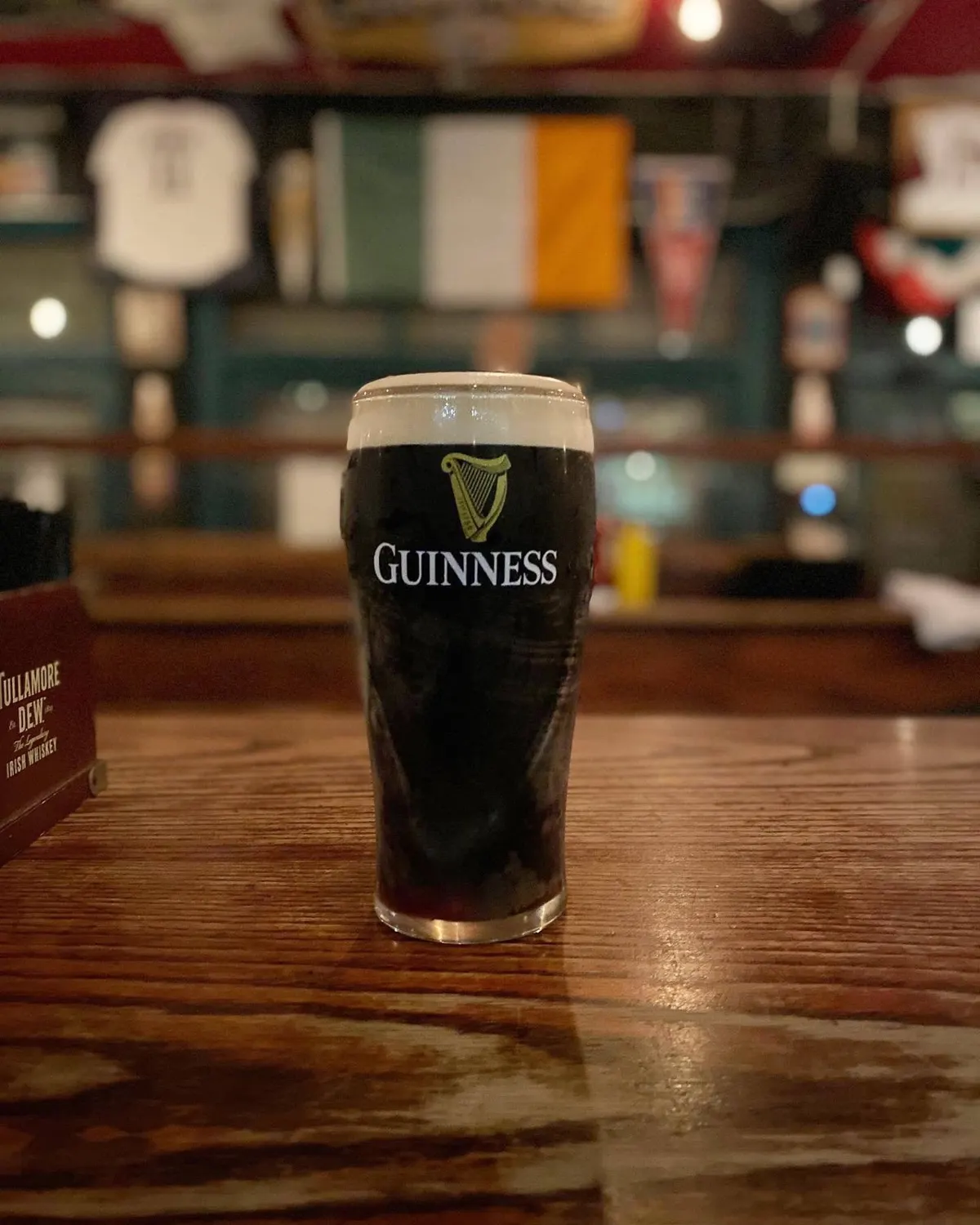
New York has always rewarded places that know who they are. In the bar business, that matters even more than it does in restaurants. A guest can forgive a slightly delayed entree if the room feels right and the food eventually lands well. At a bar, the exchange is more immediate. The first greeting, the first pour, the first impression of the lighting and sound level, all of it lands within minutes. That pressure is part of what makes the best Bar NYC venues so interesting. They are not just serving drinks. They are staging an experience where imagination has to work hand in hand with service.
Creativity in bars gets talked about constantly, often in the narrowest sense. People point to a surprising garnish, a smoke-filled cloche, an unusual glass, or a menu built around obscure spirits. Those things can be memorable, but creativity that lasts in New York usually has more substance. It shapes how the room moves, how bartenders talk to guests, how a concept reflects the neighborhood, and how the back-of-house systems make consistency possible on a busy Friday at 10:30 p.m. Hospitality is what makes all of that usable. Without it, the most inventive place in town can feel cold, performative, or exhausting.
The venues that stand out understand a simple truth. Guests do not walk into a bar hoping to admire the bar’s cleverness. They walk in hoping to feel taken care of, maybe a little surprised, and ideally eager to come back.
The city forces bars to be inventive
Running a bar in New York is expensive in ways that outsiders often underestimate. Rent is high, labor is high, product costs fluctuate, and every square foot has to earn its keep. That pressure makes creativity less of a luxury and more of a survival skill. A bar cannot just be decent. In many neighborhoods, it has to be distinctive enough to draw people from a block away, a borough away, or at least far enough that they choose it over six nearby alternatives.
That distinctiveness can come from many directions. Sometimes it starts with design. A room with low amber light, strong acoustics, and thoughtful seating can make an ordinary martini feel special. Sometimes it starts with programming, such as a weekly jazz set, a rotating cocktail menu, or a serious late-night food offering that keeps the room alive after kitchens nearby have closed. Sometimes it begins with the drinks, especially when a team builds a menu around a focused point of view rather than trying to satisfy every possible taste.
The smart operators know, however, that novelty alone is fragile. New York audiences are curious, but they are also busy and surprisingly practical. If a place makes guests wait too long to order, if stools are uncomfortable, if the playlist fights the room, or if a bartender treats questions like interruptions, the creative concept starts leaking value immediately. The city teaches this lesson fast. The most hiberniabar.com Bar NYC admired Bar NYC spots tend to be the ones where the artistic idea can survive a packed house.
Hospitality is the structure holding the concept up
Good hospitality can look effortless from the bar stool. In reality, it is deeply structured. Someone has decided how guests are greeted at the door, how quickly water appears, how staff members read whether a party wants conversation or privacy, and how to recover when things go wrong. That work is often invisible, which is exactly the point.
A creative bar concept becomes believable when hospitality supports it at every step. Imagine a venue that leans into theatrical cocktails, with house-made tinctures and unusual serving vessels. If a guest receives a dramatic drink but no explanation of what they are tasting, the performance falls flat. If the bartender notices hesitation and asks one or two precise questions before steering the guest toward something better suited to their palate, the same creative program suddenly feels generous instead of self-indulgent.
In New York, that distinction matters because the customer mix can be wildly varied within a single night. A room might host neighborhood regulars at 6 p.m., first-date couples at 8, and hospitality workers winding down after midnight. Each group reads the same environment differently. The best bars train teams to shift gears without losing identity. That kind of flexibility is a craft in itself.
I have seen bars with brilliant menus struggle because service felt scripted and brittle. I have also seen bars with simpler drink programs build loyal followings because the staff remembered names, asked good questions, and handled busy periods with calm confidence. Over time, the second model usually proves more resilient. Creativity gets guests through the door. Hospitality gives them a reason to return with friends.
Menus that tell a story without becoming homework
One of the clearest places where creativity and hospitality intersect is the menu. In weaker bars, menus either play it too safe or become so abstract that ordering feels like taking a quiz. The sweet spot is harder to hit. A menu should communicate personality, but it also needs to help people decide.
The strongest Bar NYC cocktail lists often share a few qualities. They are edited. They use language with some restraint. They respect the guest’s time. Instead of overwhelming people with twenty-six originals and a paragraph of brand references under each drink, they organize choices in a way that makes sense at the bar. Maybe the menu groups drinks by structure, such as bright and citrusy, spirit-forward, savory, or effervescent. Maybe it signals base spirits clearly while leaving room for invention. Maybe it includes a few familiar anchors for hesitant guests.
There is also an art to naming. A clever title can create intrigue, but too much irony or obscurity becomes a barrier. Staff should not need to decode the whole list every night. In a city where people often meet after long workdays, a menu that offers clarity feels hospitable.
A well-built menu also accounts for pace. If every drink requires eight touches and an elaborate garnish, service slows under pressure. That creates a hidden trade-off. The bar might earn praise from cocktail obsessives while frustrating everyone else. Experienced beverage directors know to balance showpieces with easier builds, especially when volume is unpredictable. There is real discipline in designing a list that feels ambitious while remaining executable.
Design choices do more than photograph well
Design gets flattened in online conversation. People talk about a space being beautiful, moody, sleek, maximalist, or intimate. Those words capture surface impressions, but not the deeper question of whether the room supports hospitality. Great bar design is not just aesthetic. It is operational.
A narrow room with poor pathways can create bottlenecks that affect service all night. Banquettes may look luxurious, but if they trap servers or force awkward body angles, the comfort is only apparent. Bar stool spacing matters. So does whether guests can place a bag somewhere sensible, whether hooks exist under the bar, whether menus can be read in the available light, and whether the sound system allows conversation without draining the room of energy.
Some of the smartest venues in New York make these details feel natural. Guests do not necessarily notice why they are comfortable. They simply stay for another round. That is good design doing quiet work.
Lighting is one of the most misjudged tools in the business. Too bright and a bar can feel exposed. Too dark and guests struggle to read menus or recognize what is in the glass. The right balance changes across the evening. Early service may benefit from slightly more visibility, while late-night hours can lean more atmospheric. Bars that get this right are rarely guessing. They test, adjust, and watch how the room behaves.
The same goes for music. Hospitality often lives in the decibel level. A playlist can support a concept, but if staff and guests have to strain to communicate, the room starts working against itself. The best operators understand that energy and noise are not the same thing.
Bartenders as interpreters, not just makers
At the center of any bar’s success is the person across from the guest. Even in highly designed venues, bartenders remain the main bridge between creative intent and human experience. Their role is broader than mixing drinks. They interpret the concept in real time.
That means knowing when to guide, when to educate, and when to get out of the way. Some guests want a conversation about amaro production or the source of a seasonal ingredient. Others want a perfect Manhattan and ten minutes of peace. A skilled bartender can read that difference quickly.
The best teams in New York tend to ask practical questions that open doors instead of showing off expertise. “Do you want something stirred or refreshing?” can be more useful than “How adventurous are you feeling tonight?” The first invites a sensory preference. The second can make a guest feel tested. Language matters. Hospitality often comes down to reducing friction without flattening personality.
There is also a subtle generosity in adapting the menu. Not every request fits the program, and not every classic should be made in every bar. Still, the staff who know how to redirect gracefully tend to win trust. If a guest asks for something unavailable, a good bartender can say, “We do not have the ingredients for that exact drink, but based on what you like, I can make you something close in spirit.” That preserves the bar’s identity while serving the person in front of them.
Regulars notice this balance more than anyone. In many strong Bar NYC venues, loyalty is built less on spectacle than on being known. A bartender remembers that someone prefers lower-acid drinks, or that another guest likes to start with Champagne before moving to whiskey. Those details are not flashy, but they are where hospitality becomes personal.
The rise of multi-sensory creativity, and where it can go wrong
Many New York bars now think beyond the liquid itself. They use scent, texture, soundtrack, visual storytelling, and even pacing as part of the guest experience. When done well, this can create a sense of transport. A tropical-leaning bar might use natural materials, brighter acid profiles, and a rhythm in service that feels loose but controlled. A minimalist cocktail den might strip everything back so the emphasis falls on precision and quiet confidence.
Problems arise when these elements become too rigid or too precious. The room starts serving the concept instead of the guest. Staff can become guardians of the brand rather than hosts. That shift is usually subtle at first. It appears in a dismissive answer to a simple question, or in a refusal to accommodate a reasonable preference because it would break the narrative.
A bar is not a museum installation. People come in with different moods, budgets, dietary needs, and levels of cocktail literacy. Hospitality requires enough flexibility to meet them where they are.
The venues that avoid this trap often share a practical mindset:
- They test ideas during real service, not just in staff tastings.
- They edit anything that slows down ordering or confuses guests.
- They train staff to explain concepts in plain language.
- They keep at least a few options approachable in flavor and price.
- They treat feedback as useful information, not a threat to creativity.
That last point matters. Guest feedback is often messy and imperfect, but patterns reveal themselves. If several people say a menu reads beautifully yet feels hard to navigate, that is not a failure of audience sophistication. It is a design problem. Bars that listen tend to improve faster.
Neighborhood identity still matters
New York is not one drinking culture. It is many. A bar in the East Village can get away with a certain looseness that would feel out of place in Midtown. A Brooklyn neighborhood bar may lean into community and casual familiarity, while a hotel bar in Manhattan may need a broader range, more polished service, and stronger nonverbal clarity because guests are coming from everywhere.
The strongest venues take cues from where they are without becoming clichés of their neighborhood. This is where creativity becomes contextual rather than decorative. A room near office towers may need to handle rapid pre-theater or post-work volume. A destination cocktail bar can ask for more attention and patience if guests arrive prepared for that kind of evening. A local spot survives on repeat business, which means reliability matters as much as innovation.
You can often tell whether a concept has been developed honestly by the kinds of regulars it attracts. If neighborhood guests treat it as their place, that suggests the hospitality has landed. If the room depends almost entirely on novelty seekers and social media traffic, the concept may be working harder than the service.
There is no shame in being a destination. Plenty of excellent bars are. But in New York, the places with staying power usually understand their local ecosystem. They know what nearby venues offer, what gaps exist, and how to differentiate without alienating the people most likely to come back on a Tuesday.
Nonalcoholic programs reveal a lot about a bar’s values
One of the clearest markers of modern hospitality is how a venue treats guests who are not drinking alcohol. For years, many bars handled this poorly, offering little beyond soda, juice, or an afterthought mixture served in a lesser glass. That approach no longer holds up, especially in New York, where social groups are increasingly mixed in their drinking habits.
A serious nonalcoholic program does not require a separate manifesto. It requires care. Drinks should have texture, acidity, balance, and visual appeal. They should feel integrated with the venue’s point of view. A guest ordering without alcohol should still feel welcomed into the bar’s creative universe.
This is also where operational discipline shows. Nonalcoholic cocktails take prep, inventory, and staff understanding. If the team cannot describe them with the same confidence as the main list, guests notice. On the other hand, when a bartender lights up while recommending a spirit-free drink, it sends a strong message about the house style. Hospitality means no one at the table feels like an exception.
The same principle applies to food pairings, low-ABV options, allergy awareness, and pacing. A bar that genuinely accommodates different needs without fuss usually has a healthier internal culture. That tends to show up everywhere else too.
Creativity behind the scenes is often what guests remember as “effortless”
The guest-facing magic in a great bar depends on invisible systems. Prep routines, glassware management, ice programs, reservation flow, batching protocols, POS notes, and pre-shift communication all shape the final experience. This is one reason some bars feel smooth under pressure while others unravel quickly. The difference is not always talent. Often it is infrastructure.
New York bars that maintain high standards through heavy volume usually build menus and service models around reality. They know how many covers they can sustain before quality dips. They know which drinks can be partially batched without losing freshness. They know when to add a barback, when to tighten the host stand script, and when to simplify a menu item that looked good on paper but fails in the rush.
From a guest’s perspective, this shows up as confidence. The room feels held. Drinks arrive with timing that makes sense. Staff members appear aware of one another. Mistakes, when they happen, get corrected quickly and without defensiveness.
That kind of composure is a form of hospitality too. People rarely describe it in technical terms. They say the place “just has a good flow” or that “everyone seemed on it.” In a crowded city, those impressions are powerful. They turn a one-time visit into a recommendation.
What guests actually respond to
For all the industry talk about concepts, ingredients, and trends, most guests respond to a more grounded set of qualities. They want to feel comfortable, interested, and respected. They appreciate originality, but usually only when it serves pleasure rather than ego.
A bar can blend creativity and hospitality successfully when it delivers a few things at once. It offers a point of view. It communicates that point of view clearly. It runs well enough that guests can relax into it. And it leaves just enough room for human spontaneity, the brief conversation, the off-menu adjustment, the remembered preference, the moment of generosity after a delay.
Those are not small things. In a market as demanding as New York, they require leadership, training, and constant refinement. Trends will continue to move through the city. Menus will become more technical, then simpler again. Design will swing between maximalism and restraint. Consumer habits will shift with the economy, with wellness culture, with neighborhood development, and with the rhythms of tourism.
What tends to endure is the combination of imagination and care. The strongest Bar NYC venues know that being memorable is not the same as being complicated. Sometimes the most creative decision is to remove a step, rewrite a menu line, soften the music, or teach a bartender how to make a nervous first-time guest feel at ease. Those choices may not show up in a photo, but they are exactly what keep a bar alive in the minds of the people who matter most, the ones who walk back through the door.
Hibernia Bar
401 W 50th St
New York, NY 10019
(212) 969-9703
FAQ About Bar NYC
What is there to do in Hell's Kitchen, NYC?
Explore the restaurants and bars along Ninth Avenue, catch a Broadway show nearby, or visit the Intrepid Museum on the Hudson River. Hibernia Bar is at West 50th Street and Ninth Avenue, a convenient stop before or after a show.
What are some bars in New York City that serve good food?
Hibernia Bar in Hell's Kitchen serves wings, burgers, fish and chips, and shepherd's pie. Its kitchen lists a 2 a.m. closing time, which makes it an option for dinner after a show or a game.
How far is Hell's Kitchen from Times Square?
Hell's Kitchen is just west of Times Square. From Broadway and West 45th Street, Hibernia Bar is roughly 0.6 miles away, or about a 12-minute walk depending on crowds.